Struggling with your duvet sliding inside its cover can be frustrating. You might wonder how to keep a duvet from sliding inside the cover. This common issue affects many people, leading to disrupted sleep and discomfort.
In pursuit of a cozy and well-made bed, it’s essential to address this problem. Over time, various methods have emerged to help keep the duvet snugly in place. Some may even argue that certain solutions are more effective than others. Experimenting with these techniques can foster a deeper understanding of what works best for you.
With practical tips and insights, this guide aims to present effective strategies for preventing your duvet from moving around. Implementing the right method can transform your bedding experience. Remember, even the best solutions may require some tweaking to fit your specific needs.
Duvet slippage is a common issue that many face. One major cause is the size mismatch between the duvet and the cover. If your duvet is smaller than the cover, it can easily shift around inside. This creates an annoying situation, especially when you’re trying to stay cozy at night.
Another factor is the fabric friction. Some duvet covers have smoother materials, allowing the duvet to slide more freely. When choosing a cover, consider textures that create grip, like those made from cotton or flannel. Additionally, if your duvet is particularly lightweight, it may slide more than a heavier one. Reflect on how your sleep habits influence this; tossing and turning can exacerbate the issue, leading to a frustrating experience.
Lastly, the closure mechanism plays a crucial role. Duvet covers with buttons or zipper closures can help keep the duvet in place. However, if these closures are not secure or if the duvet shifts frequently, they can be ineffective. It’s important to assess your duvet setup regularly and make adjustments as needed.
When choosing a duvet cover, size compatibility is crucial. A well-fitting cover ensures your duvet stays in place, preventing annoying shifts during the night. Measure your duvet before purchasing. Standard sizes can vary, so double-check if your duvet is a full, queen, or king size. A cover that is too large will allow the duvet to move freely, while one that is too small can create discomfort.
Material also plays a role in how well your duvet stays put. A fabric with some grip, such as cotton or a cotton blend, can help hold the duvet in place better than slippery materials like satin. Look for designs that include fasteners or ties. These features can significantly reduce the chances of your duvet sliding.
It's not always easy to find the perfect fit. Even experienced shoppers can face challenges. Understanding the nuances of duvet covers and their compatibility can be a journey. Paying attention to details can lead to a more restful sleep experience. Sometimes, what seems like a small detail can have a big impact on your comfort.
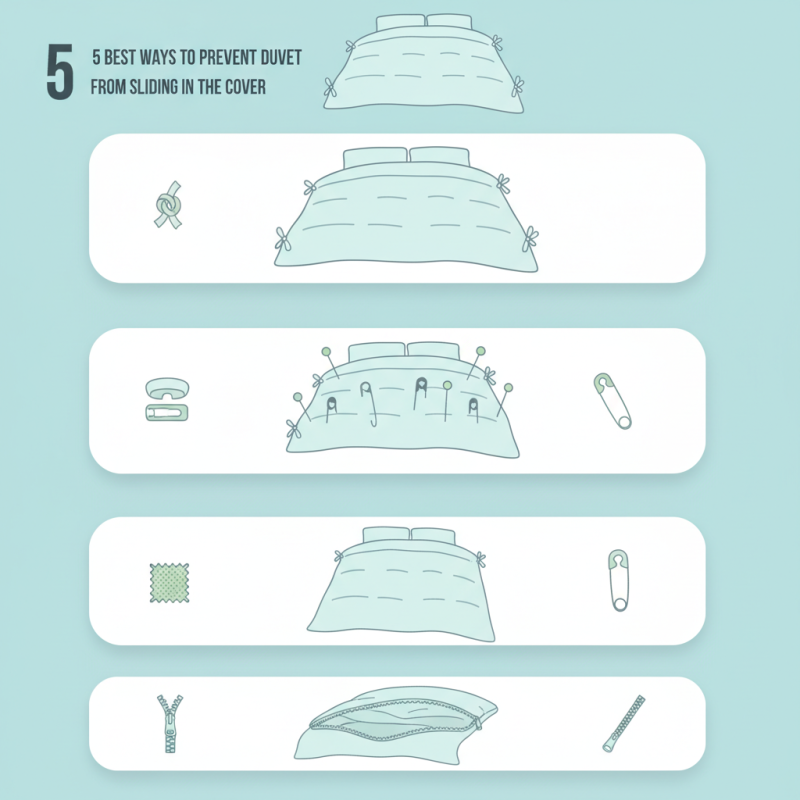
Duvet covers can be tricky. The duvet often slides inside, leading to discomfort during sleep. One effective solution is to use duvet clips and fasteners. These handy tools keep your duvet securely in place. They are simple yet effective.
Duvet clips attach to the corners of your duvet. Fasteners often use Velcro or ties. They anchor the duvet within the cover. This prevents sliding during the night, ensuring a comfortable sleep. The clips are small but mighty. They can be easily hidden, maintaining the duvet's aesthetic.
However, not all clips fit every duvet type. Some users may find certain fasteners ineffective. It's crucial to choose the right clip for your duvet's material and size. Experimenting may be needed. It's all about finding what works best for your sleeping style. Adjustments can lead to a better night's sleep.
| Method | Description | Effectiveness | Ease of Use |
|---|---|---|---|
| Duvet Clips | Clips attach the duvet to the cover, preventing slipping. | High | Easy |
| Corner Ties | Ties in each corner secure the duvet in place. | Moderate | Moderate |
| Safety Pins | Using safety pins helps secure the duvet within the cover. | Low | Difficult |
| Duvet Fasteners | Special fasteners designed to hold duvet in place. | High | Easy |
| Weighted Duvets | Duvets with weight help prevent movement. | Moderate | Easy |
When it comes to keeping your duvet securely inside its cover, several key techniques can make a significant difference. According to the Sleep Council, approximately 65% of people experience duvet slippage. This can lead to discomfort and disrupt sleep quality.
One effective method is to use corner ties. Many duvet covers come with built-in ties in the corners. Simply tie the duvet to these loops to prevent movement throughout the night.
Another popular technique is using safety pins or clips. While some may consider this a temporary fix, it can effectively secure your duvet in place. Just remember to place the pins strategically to avoid any discomfort while sleeping. A study conducted by the Textile Research Journal indicates that an average duvet can increase in weight by 10-15% when properly secured. This added weight can enhance the sleeping experience, but only if the duvet stays put.
Lastly, consider choosing a duvet cover with slightly smaller dimensions than your duvet. This tight fit can prevent sliding effectively. While some may find this option requires a bit of adjustment, it can provide a snug, comfortable feel. Remember that every technique might not work for everyone. Finding the right combination that suits your personal sleep habits is essential.
Regular maintenance is essential for optimizing your duvet's performance. According to a report by the International Sleep Products Association, maintaining bedding can significantly enhance sleep quality. Regular washing is critical. It removes dust mites and allergens that can accumulate in your duvet cover. Aim to wash your duvet cover at least once a month. Use gentle detergent and avoid fabric softeners, which can reduce breathability.
In addition, fluffing your duvet regularly can prevent it from bunching or shifting inside the cover. This simple act can help maintain its shape and effectiveness. A study from the Sleep Research Society indicates that proper fluffing can extend the life of your duvet. However, not all duvets are created equal. Different materials have varying maintenance needs. For instance, down-filled duvets may require more delicate care compared to synthetic options.
Lastly, consider inspecting for damage. Small rips or worn areas can worsen over time. Research shows that proactive checks can lead to a lifespan increase of up to 30%. Neglecting these details might result in unsatisfactory sleep experiences. Balancing maintenance with personal preference allows for an optimal duvet experience.
This chart illustrates the effectiveness of different methods to prevent your duvet from sliding in the cover based on user feedback.
: Size compatibility is crucial. A well-fitting cover keeps the duvet in place, enhancing comfort.
Using corner ties or fasteners can greatly reduce slipping. Some covers have built-in loops for this.
Cotton or cotton blends offer grip. Avoid slippery materials like satin for better security.
Aim to wash it at least once a month to remove dust mites and allergens.
Regularly fluff your duvet to prevent bunching and shifting inside the cover; it helps maintain shape.
Safety pins or clips can secure the duvet, but place them carefully to avoid discomfort.
A slightly smaller cover can prevent sliding, providing a snug, comfortable feel, but it may require adjustment.
Small rips can worsen over time, leading to unsatisfactory sleep experiences; proactive checks are essential.
Yes, a properly secured duvet can increase in weight by 10-15%, enhancing your sleep experience.
Yes, down-filled duvets need more delicate care than synthetic options, so choose maintenance methods wisely.
In the quest for a restful night's sleep, learning how to keep a duvet from sliding inside the cover is essential. Understanding the common causes of duvet slippage, such as incorrect sizing or the lack of secure fasteners, is the first step toward a more organized bedding experience. Choosing the right duvet cover that fits snugly and is compatible with your duvet can drastically reduce movement.
Additionally, implementing duvet clips and fasteners provides added stability to keep the duvet in place. Techniques such as tying the corners of the duvet to the cover or using sewn-in loops can also effectively secure it. Regular maintenance, including washing and adjusting the duvet and cover, ensures optimal performance and longevity, ultimately enhancing your comfort during sleep. By following these strategies, you can enjoy a tidy and cozy bed without the frustration of a slipping duvet.

Fancy Home