Choosing the right fabric is crucial for individuals with sensitive skin. Many people suffer from irritations and allergies caused by synthetic materials. This leads to the question, "Why is organic cotton better for sensitive skin?" Organic cotton is softer and free from harmful chemicals. This fabric is grown without pesticides, making it safer for delicate skin. Plus, it's breathable, which helps reduce irritation.
Organic cotton offers a natural alternative for parents looking for baby clothing. Babies often have sensitive skin prone to rashes. Using organic cotton can potentially minimize these issues, providing peace of mind for caregivers. It's important to consider the environmental impact as well. Organic farming method helps preserve the planet, promoting sustainability alongside comfort.
However, not all organic cotton is created equal. Some brands may compromise quality for certification. This calls for careful research before purchasing. Reading labels and reviews ensures you choose the best product for your needs. Ultimately, understanding why organic cotton is beneficial empowers consumers to make informed decisions for their skin and the environment.
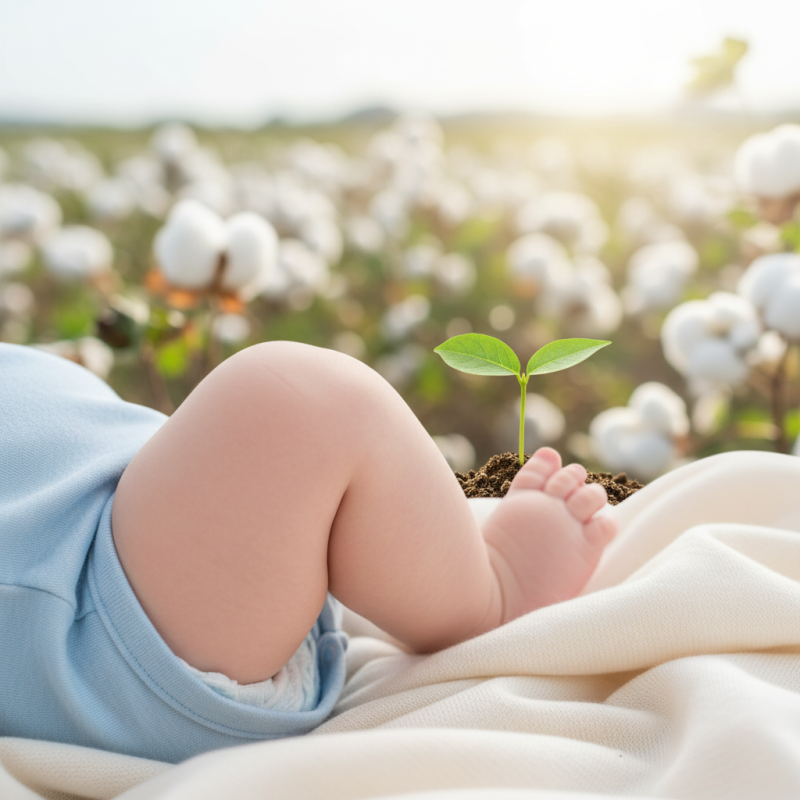
Understanding Organic Cotton: What Makes It Different?
Organic cotton stands out for its purity. Grown without harmful chemicals, it is gentler on the skin. This is especially vital for those with sensitivities. Unlike conventional cotton, which may undergo heavy processing, organic cotton retains its natural properties. The absence of pesticides and artificial fertilizers makes it a safer choice.
The cultivation process is crucial. Organic farming practices improve soil health and biodiversity. This not only benefits the environment but also results in softer, more breathable fabric. When wearing organic cotton, individuals often report less irritation. The fibers are inherently softer, which adds to comfort.
However, organic cotton can be pricier. Some might question if the benefits outweigh the cost. Choosing organic requires consideration of personal values. Balancing budget constraints with health preferences can be tricky. Ultimately, the choice reflects individual priorities and concerns.
The Benefits of Organic Cotton for Sensitive Skin Types
Organic cotton offers numerous benefits, especially for sensitive skin types. Traditional cotton is often treated with chemicals, including pesticides and fertilizers. These substances can irritate the skin and provoke allergic reactions. Organic cotton, on the other hand, is grown without these harmful chemicals, making it a safer option. According to a study by the Global Organic Textile Standard (GOTS), organic fibers significantly reduce the risk of skin irritation.
Moreover, organic cotton is breathable and hypoallergenic. This quality supports temperature regulation and helps skin stay dry. Research published in the Journal of Investigative Dermatology reveals that breathable materials can improve skin comfort and health. People with conditions like eczema or psoriasis often find relief when switching to organic fabrics. Their skin can heal better without the irritation from synthetic fibers or harsh chemicals.
That said, not all organic cotton is created equal. Some products may still have traces of chemical residues from dyes or finishes. Consumers must look for certifications that guarantee purity. Transparency in the supply chain can enhance trust. Sustainable practices in the textile industry are gaining attention, but more improvements are needed. Education on proper care for organic fabrics is crucial too, as washing methods can affect their integrity and benefits.
Why Choose Organic Cotton for Sensitive Skin Benefits? - The Benefits of Organic Cotton for Sensitive Skin Types
| Benefit |
Description |
Comparison with Conventional Cotton |
| Hypoallergenic |
Organic cotton is less likely to cause allergic reactions and irritations. |
Conventional cotton may be treated with chemicals that can irritate sensitive skin. |
| Breathability |
Organic cotton fibers are naturally breathable, providing comfort for sensitive skin. |
Conventional cotton tends to trap moisture, leading to irritation. |
| Softness |
Organic cotton is often softer and gentler on the skin, enhancing comfort. |
Conventional cotton may contain harsh chemicals that can make it feel rough. |
| Environmental Impact |
Organic cotton farming promotes sustainability and reduces pollution. |
Conventional cotton farming uses pesticides and fertilizers harmful to the environment. |
| Durability |
Organic cotton fibers tend to be stronger and last longer with proper care. |
Conventional cotton may break down faster due to chemical treatments. |
Comparing Organic Cotton to Conventional Cotton: A Skin Perspective
When it comes to sensitive skin, the choice between organic and conventional cotton can make a significant difference. Organic cotton is grown without harmful pesticides. This makes it softer and less irritating. Your skin may thank you for choosing organic, especially if you experience allergies or rashes.
Conventional cotton often undergoes heavy processing. This process can leave residues of toxic chemicals. Those substances may lead to skin irritation. Additionally, organic cotton is produced using sustainable practices. This means less harm to the environment, which indirectly benefits human health. When choosing fabrics, the impact on your skin and the planet should not be overlooked.
Despite these benefits, organic cotton isn’t without issues. It can be pricier due to its production methods. Some might find the texture different from what they are used to. Quality can also vary significantly among organic brands. Being aware of these factors is essential. It can help you make better choices for your health and well-being.
How Organic Farming Practices Contribute to Skin Health
Organic farming practices significantly benefit skin health, especially for those with sensitive skin. Farmers who grow organic cotton avoid synthetic pesticides and fertilizers. This means that the cotton remains free from harsh chemicals that can irritate the skin.
The soil in organic farms is often richer in nutrients. Healthier soil leads to stronger plants, which in turn produce softer and more breathable fibers. These fibers are less likely to cause allergic reactions. Many people find traditional cotton irritating. They struggle with redness and itching from conventional fabrics. Organic cotton reduces these risks, promoting comfort.
Moreover, organic farming enhances biodiversity. It leads to healthier ecosystems. This can reduce exposure to harmful pathogens that may affect our skin. For sensitive individuals, choosing organic cotton is not just about softness. It's also about the overall health and well-being of their skin. Adopting organic practices reflects a commitment to natural choices, even if the journey has its challenges. The push for sustainable options can sometimes feel overwhelming. However, every small step counts toward better skin health.
Benefits of Organic Cotton for Sensitive Skin
Choosing the Right Organic Cotton Products for Your Needs
Choosing the right organic cotton products can greatly benefit those with sensitive skin. Organic cotton is gentle and free from harmful chemicals. When shopping for these products, consider certifications to ensure authenticity. Look for qualities like softness and breathability. These factors are crucial for comfort and skin health.
Pay attention to the GSM (grams per square meter) of fabrics. Higher GSM means denser fabric, which can be less breathable. A balance is needed for sensitive skin. Additionally, explore various product types such as bedding, clothing, or towels. Each serves a different purpose and may impact skin sensitivity.
Not all organic cotton is equal. Some products still undergo chemical treatments. Review ingredients and sourcing to ensure pure organic cotton. It’s important to reflect on your past experiences with fabric irritations. Transparency from manufacturers can offer peace of mind. Ultimately, making informed decisions enhances comfort and well-being.
Conclusion
Organic cotton is increasingly recognized for its unique benefits, particularly for those with sensitive skin. Understanding why is organic cotton better for sensitive skin? lies primarily in its cultivation process. Unlike conventional cotton, which may be treated with harmful chemicals and pesticides, organic cotton is grown without synthetic fertilizers. This ensures that the fibers remain free of irritants, making them gentler on the skin.
In addition, organic farming practices promote healthier ecosystems, which in turn contribute to overall skin health. The absence of harsh chemicals reduces the risk of allergic reactions, making organic cotton a preferable choice for individuals prone to skin sensitivities. When selecting organic cotton products, it’s important to consider factors such as fabric thickness and weave, ensuring that the products align with your specific skin care needs. Overall, the advantages of organic cotton highlight its suitability for those seeking comfort and care for sensitive skin types.

 Fancy Home