When choosing bed linens, many people wonder, "What is the difference between sateen and percale cotton?" Both fabrics have unique qualities that cater to different preferences. Sateen is known for its luxurious feel and sheen, making it a popular choice for those seeking comfort and elegance. The weave of sateen creates a soft surface that feels smooth against the skin.
Percale, on the other hand, offers a crisp and breathable texture. Its matte finish and durable nature make percale an excellent option for warm climates or those who enjoy a fresh, cool feel to their sheets. Each fabric presents distinct advantages, yet some may find the softness of sateen too heavy.
Making a choice between the two often requires personal reflection. Considering your sleeping habits and climate can significantly impact your decision. Ultimately, understanding these differences helps in selecting linens that enhance your sleep experience.
Understanding Sateen Cotton: Definition and Characteristics
Sateen cotton is a fabric known for its smooth finish and luxurious sheen. This is achieved via a specific weave pattern. In this case, a four-over, one-under technique creates more surface threads. As a result, sateen becomes softer and often feels more inviting against the skin.
Studies show that the high thread count of sateen cotton enhances its durability and comfort. A thread count of 300 or more is common for quality sateen fabrics, providing a soft touch without sacrificing strength. This makes it a popular choice for upscale bedding. However, it also tends to retain heat more, which might not be ideal for hot sleepers during the summer.
One must also acknowledge some drawbacks. While sateen is celebrated for its luxurious feel, it can be prone to creasing and snagging. This requires careful maintenance to ensure longevity. Additionally, sateen cotton often needs regular washing, which may fade its brightness over time. These factors call for thoughtful consideration from consumers aiming for a plush sleeping experience.
Exploring Percale Cotton: Definition and Features
Percale cotton is known for its crisp, breathable texture. It typically features a tight weave of 200 threads per square inch, which enhances its durability. According to the Cotton Incorporated Lifestyle Monitor™ Survey, about 70% of consumers prefer the feel of percale sheets due to their coolness. This makes them ideal for warm climates or hot sleepers. The smooth surface of percale cotton offers a fresh feel, while the matte finish provides an elegant look.
Another notable aspect of percale is its long-lasting quality. Industry reports indicate that it withstands more washes compared to sateen cotton. However, some find percale less forgiving in terms of wrinkles. The crispness can sometimes feel stiff initially. Despite this, many appreciate the way percale softens over time. This journey from firmness to comfort highlights the material's unique characteristics. Remember, investing in quality percale means investing in a bedding solution that marries comfort with longevity.
Key Differences Between Sateen and Percale Cotton Fabrics
Sateen and percale cotton fabrics differ significantly in both texture and weave.
Sateen has a smooth, lustrous surface, created by a four-over, one-under weave. This results in a luxurious feel.
It's perfect for a polished look. You may enjoy its warmth and softness on cooler nights.
In contrast, percale features a simple one-over, one-under weave. This gives it a crisp and breathable quality.
Percale is more durable and feels fresh against the skin. Ideal for warmer climates, it encourages airflow, helping you stay cool throughout the night.
Choosing between these fabrics can be challenging. Your preferences may change with the seasons or even your mood.
While sateen offers elegance, percale provides comfort and practicality.
Think about how each fabric will enhance your sleeping experience. What do you prioritize: a silk touch or a fresh feel?
Usage and Care: How to Maintain Sateen and Percale Cotton
Sateen and percale cotton fabrics differ in texture and care requirements. Sateen has a smooth, glossy surface, while percale feels crisp and breathable. These differences influence their use in bedding and clothing.
To maintain sateen cotton, use a gentle cycle when washing. Avoid high heat in the dryer; it can damage the fibers. Always wash in cold water to preserve the fabric's sheen. Sateen requires more care to keep it looking fresh. Studies indicate that over 70% of home textiles lose their quality after improper washing.
Percale, on the other hand, is more durable and can withstand frequent washing. It holds color well and gets softer with each wash. However, percale can wrinkle more easily. Using a cool iron can help retain its crispness without becoming too stiff.
Tips: Store linens in a dry place to prevent mildew. Avoid overstuffing the washing machine. A mindful approach can enhance longevity and maintain fabric integrity. Regular care can preserve their unique qualities, making them a worthy investment for your home.
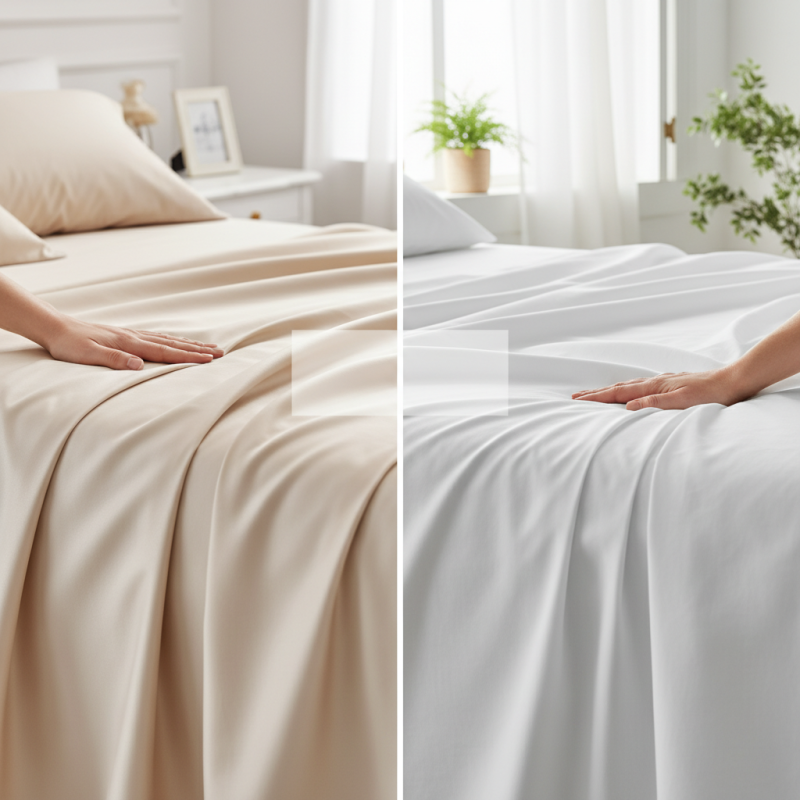
Comparison of Sateen and Percale Cotton
Choosing Between Sateen and Percale: Which is Right for You?
When choosing between sateen and percale cotton, it's essential to understand their unique characteristics. Sateen offers a luxurious feel with a smooth finish. It has a lustrous surface, making it shine elegantly. However, some people find it a bit warmer and may not prefer it in the summer months. The silky touch can feel great against the skin but can also lead to a feeling of overheating.
Percale, on the other hand, is lightweight and crisp. It has a matte finish, giving it a fresh look. Many appreciate its breathability, especially in warmer climates. Percale sheets are often more durable, standing up to frequent washes. However, the initial stiffness may require several washes to soften. This transition period can be frustrating for those who prefer immediate comfort.
Both options have their merits and considerations. Preferences can vary widely based on personal experiences and sleep habits. Some might love the softness of sateen, while others may prefer the coolness of percale. Reflecting on how you sleep and what fabrics you enjoy can guide your choice effectively.
What is the difference between sateen and percale cotton?
| Feature |
Sateen Cotton |
Percale Cotton |
| Weave Type |
Sateen weave (4 over, 1 under) |
Percale weave (1 over, 1 under) |
| Texture |
Smooth and silky |
Crisp and matte |
| Breathability |
Less breathable |
Highly breathable |
| Durability |
Durably softer over time |
Highly durable |
| Ideal Use |
Warm climates or cooler seasons |
Year-round comfort |
| Price |
Generally higher |
Generally lower |
FAQS
: Sateen cotton is a fabric known for its smooth finish and luxurious sheen.
It is created using a four-over, one-under weaving technique.
A thread count of 300 or more is common for quality sateen cotton.
Yes, it tends to retain heat, which may be uncomfortable for hot sleepers.
Sateen can crease easily and may snag, requiring careful maintenance.
Regular washing may fade its colors over time, impacting its brightness.
Percale cotton has a crisp, breathable texture and a tight weave.
About 70% prefer them for their coolness, making them ideal for warm climates.
Percale often withstands more washes than sateen cotton, enhancing its durability.
Yes, percale can feel stiff initially and may wrinkle more than other fabrics.
Conclusion
Understanding the distinction between different cotton fabrics is essential for making informed choices in bedding and clothing. This article delves into "What is the difference between sateen and percale cotton?" by first defining and highlighting the characteristics of sateen cotton, which is known for its smooth, lustrous finish and luxurious feel. In contrast, percale cotton is celebrated for its crisp, breathable nature, making it a popular choice in warmer climates.
The key differences between the two fabrics lie primarily in their weave; sateen is a satin weave that creates a soft, shiny surface, while percale is a plain weave that offers a matte finish and durability. The article also discusses the proper usage and care methods for maintaining both types of cotton, alongside guidance on choosing between sateen and percale based on personal preferences for comfort, texture, and use. Overall, understanding these distinctions helps consumers select the right cotton fabric for their needs, enhancing their sleeping experience.

 Fancy Home