How to make a cheap bed look expensive? The answer begins with proportion, texture, and careful finishing rather than a high price tag. A simple frame can appear refined when its lines are balanced, its joints are clean, and its surface feels consistent. I have found that a low-cost bed often looks ordinary because of visible screws, thin upholstery, uneven gaps, or overly shiny materials. These details quietly reveal the budget.
Start with a sturdy, neutral foundation. Choose warm oak tones, soft walnut shades, or a calm matte white finish. Add a tall upholstered headboard with firm foam and tightly pulled fabric. Even a modest bed gains presence when the headboard extends slightly beyond the mattress. Use layered bedding, including crisp sheets, a textured blanket, and two supportive pillows. Keep the colors within one restrained palette. Less can look richer.
Lighting matters too. A warm bedside lamp can soften inexpensive materials and highlight clean edges. Concealed storage also protects the room from visual clutter. When comparing China-based manufacturers, request material samples, hardware photographs, assembly instructions, and independent quality records. Check moisture resistance, fabric durability, and weight capacity before placing a large order. Do not trust polished product images alone. Ask for close-up videos.
Small mistakes may remain. That is normal. A slightly uneven seam or imperfect color match can appear after installation. Review each detail honestly, then improve the weakest area first. Luxury is rarely one dramatic feature. It is the disciplined combination of practical construction, thoughtful styling, and dependable quality.
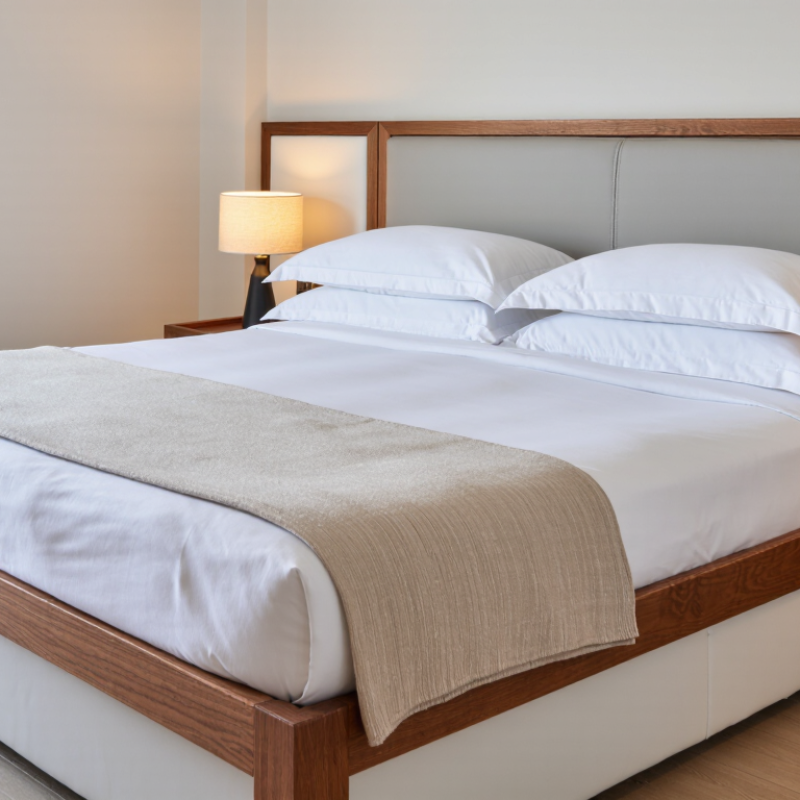
Assess the Bed’s Structure, Materials, and Existing Decorative Features
How to Make a Cheap Bed Look Expensive China Best?
To make a cheap bed look expensive, inspect its structure before adding decoration. I check every corner, rail joint, and center support by hand. Press the mattress area gently. Movement reveals weak connections. Look underneath. A stable frame needs even legs, tight fasteners, and no visible warping. Measure the rail height against the mattress. Uneven proportions can make an otherwise attractive bed look unfinished.
Materials create the second impression. I compare the veneer grain, edge sealing, fabric density, and paint smell under bright light. The FAO Global Forest Resources Assessment 2020 records about 4.06 billion hectares of forest worldwide, making responsible wood documentation increasingly important. Ask for moisture control and formaldehyde test information, not vague promises. The U.S. Environmental Protection Agency notes that indoor pollutant levels can be two to five times higher than outdoors. Strong odors deserve attention. My mistake was trusting a smooth finish too quickly; durability matters more than showroom shine.
Existing decorative features should guide the upgrade. Preserve attractive stitching, shaped legs, or a clean headboard outline. Replace mismatched knobs and hide exposed staples. Warm lighting can soften inexpensive surfaces, while excessive trim often looks artificial. Leave some restraint. A narrow gap between the wall and headboard may reveal poor fitting, so correct it before styling. China’s furniture suppliers can offer excellent finishing, but inspection remains essential. Fancy samples can mislead.
How to Make a Cheap Bed Look Expensive: Assess Size, Structure, and Materials
Standard mattress dimensions help determine the visual proportion of the bed frame, headboard, and decorative details. A well-proportioned structure, durable support materials, and carefully scaled trim can make an affordable bed appear more refined without relying on branded products.
Choose Affordable Bedding in Coordinated Colors and Textures
A low-cost bed can look expensive when its bedding feels deliberately coordinated. In my experience, color matters more than price at first glance. Choose one quiet base shade, such as warm white, sand, soft gray, or muted blue. Add one deeper tone through pillowcases or a folded blanket. Keep the palette limited to three colors. Too many shades can make inexpensive fabric look random.
Texture creates depth without requiring costly materials. Pair a smooth cotton-blend sheet with a lightly quilted cover and a knitted or waffle-textured throw. The surfaces should differ, but their colors should share the same undertone. A cool gray sheet may clash with a yellow-beige blanket. Check them together in daylight. Bedroom bulbs can hide mismatched tones.
Proportion also affects the result. Let the duvet hang evenly on both sides, then fold the top third downward. Place two sleeping pillows behind smaller cushions, but avoid filling every space. A little emptiness looks more intentional. Wash new bedding before styling it, since some fabrics soften and settle after the first wash. I still make mistakes here. Over-ironing can flatten useful texture. A slightly relaxed cover often looks more natural than a rigid hotel-style finish. Check the seams, fabric density, and care label before buying. Affordable bedding becomes convincing when it looks comfortable, consistent, and properly maintained.
Improve the Headboard, Bed Frame, and Surrounding Wall
A cheap bed can look expensive when the headboard becomes the room’s visual anchor. Choose a wide upholstered panel, even if the bed frame is simple. A headboard extending 10–20 centimeters beyond each side creates a stronger hotel-style proportion. Use dense foam, tight seams, and a neutral fabric with visible texture. Velvet may look luxurious, but it can show dust and pressure marks quickly. That is where my first design attempt failed.
The bed frame should appear heavier than it costs. Add low-profile wooden rails, concealed storage, or matte metal legs. Keep the finish consistent with the headboard hardware. The 2024 Houzz & Home Study reports that homeowners continue investing in comfort-focused private spaces, while the Joint Center for Housing Studies recorded US remodeling expenditure near 470 billion dollars in 2022. This suggests that perceived quality matters, even when the project remains modest.
Treat the surrounding wall as part of the bed. Paint a slightly deeper tone behind the headboard, or install slim wall moulding with equal spacing. According to the U.S. Environmental Protection Agency, indoor pollutant levels can be two to five times higher than outdoor levels, so choose low-emission coatings and ventilate properly. Warm wall lighting also improves depth. Use two adjustable sconces, positioned about 55–65 centimeters above the mattress. Avoid overcrowding the wall. Expensive rooms usually leave breathing space, although my own first layout looked too empty before the balance felt right.
How to Make a Cheap Bed Look Expensive China Best? - Improve the Headboard, Bed Frame, and Surrounding Wall
Estimated costs are typical DIY ranges in USD and may vary according to bed size, materials, labor, and local prices.
| Upgrade Area |
Recommended Materials |
Typical DIY Cost |
Estimated Time |
Visual Impact |
Practical Recommendation |
| Upholstered Headboard |
Plywood panel, foam, batting, and durable upholstery fabric |
$70–$180 |
4–8 hours |
Very High |
Use a headboard that is slightly wider than the mattress to create a more substantial appearance. |
| Vertical Channel Detail |
Fabric strips, narrow wood battens, or decorative molding |
$25–$90 |
2–5 hours |
High |
Keep the spacing consistent; repeated vertical lines can make a low-cost headboard look custom-built. |
| Bed Frame Refinishing |
Wood filler, primer, water-based paint, or clear protective finish |
$35–$100 |
1–2 days |
High |
Sand glossy surfaces lightly, repair visible defects, and apply several thin coats instead of one thick coat. |
| Taller Bed Legs |
Solid replacement legs with compatible mounting hardware |
$30–$85 |
1–3 hours |
Medium |
A modest increase in clearance can create a lighter, more furniture-like profile while preserving mattress support. |
| Wall Paint Behind the Bed |
Low-VOC interior paint, primer, painter’s tape, and rollers |
$40–$120 |
4–8 hours |
High |
Choose a muted, warm color or paint a broad feature zone that extends beyond both sides of the bed. |
| Decorative Wall Panels |
Painted MDF slats, wood strips, or lightweight acoustic panels |
$80–$250 |
1–2 days |
Very High |
Align the panel layout with the bed centerline and use a level to prevent small installation errors from becoming noticeable. |
| Layered Bedding |
Fitted sheet, duvet or quilt, coverlet, and two to four accent pillows |
$90–$260 |
30–60 minutes |
Very High |
Combine two or three related colors and use different fabric textures to add depth without overcrowding the bed. |
| Bedside Lighting |
Matching wall sconces or table lamps with warm-white LED bulbs |
$60–$220 |
1–4 hours |
High |
Use matching fixtures and bulbs around 2700–3000 K for a softer, more residential atmosphere. |
| Curtains and Area Rug |
Full-length curtains and a rug extending beyond the sides of the bed |
$120–$350 |
2–5 hours |
High |
Textiles soften hard surfaces and visually connect the bed to the rest of the room. |
| Estimated Total for a Balanced Upgrade |
$550–$1,655 |
Prioritize the headboard, bedding, lighting, and wall treatment first for the greatest visual return. |
Layer Lighting, Pillows, Throws, and Accessories for a Luxury Effect
A cheap bed can look expensive when its layers feel intentional. Start with warm, adjustable lighting beside the bed. A small table lamp creates a soft pool of light, while a dim ceiling fixture prevents harsh shadows. Hide visible cords whenever possible. The room will feel calmer. Choose neutral bedding with one deeper accent shade. Texture matters more than price. Combine cotton, linen-look fabric, and a knitted throw for gentle contrast.
Tips:
Use three pillow sizes, not three identical pillows. Place larger pillows behind standard sleeping pillows. Add one lumbar cushion in front. Fold the throw loosely across the lower third of the bed. A perfect fold can look strangely artificial. Leave a small, natural wrinkle. Keep bedside accessories limited to a tray, a ceramic object, and one useful book.
Affordable accessories gain presence through spacing. Leave empty surface around each item. A single framed print above the bed can create focus without overwhelming the room. Soft curtains and a simple rug also improve the visual balance. In my first styling attempt, I used too many cushions and lost practical comfort. The bed looked polished, but sleeping there felt inconvenient. Luxury should support daily use, not only photographs. Check the light at night, not just during daytime. Warm shadows often reveal cheap finishes, uneven fabric, or clutter that needs editing.
Maintain Proportion, Cleanliness, and Visual Balance Over Time
How to Make a Cheap Bed Look Expensive China Best?
A low-cost bed can look refined when its proportions feel intentional. Measure the room before choosing bedding, lamps, or a headboard. The mattress should not appear lost inside the frame. Choose a headboard with enough height to anchor the wall, but avoid one that overwhelms the room. Leave clear space around the bed. Small adjustments matter.
Cleanliness creates much of the impression of quality. Wash sheets regularly, remove loose threads, and smooth the duvet before guests arrive. Wipe the frame, legs, and nearby surfaces every week. Select tightly woven fabrics that resist pilling and keep their shape after washing. Pale colors show stains quickly, while dark fabrics reveal dust. Both require attention. It was not perfect.
Visual balance must survive daily use, not only photographs. Place similar lighting on both sides when possible, then soften the symmetry with one personal object. Keep bedside surfaces partly empty. Repeat one color through the cushions, curtain, or rug for a controlled appearance. Avoid stacking too many decorative layers; clutter makes inexpensive materials look cheaper. I once added extra pillows to create a richer bed, but they reduced useful sleeping space and looked forced.
Over time, inspect loose joints, faded fabric, and uneven legs. Tighten hardware carefully and replace worn accessories before they dominate the room. A simple bed, kept clean and proportionate, often appears more expensive than a crowded design with costly details.
Conclusion
How to make a cheap bed look expensive? Start by evaluating its structure, materials, and existing decorative details. A sturdy, well-arranged foundation can appear far more refined when paired with affordable bedding in coordinated colors, soft textures, and neatly layered fabrics. Choose a balanced palette, such as warm neutrals or elegant muted shades, and combine smooth sheets with a textured coverlet or throw to create depth without overspending.
Next, improve the visual focus around the bed by refreshing the headboard, frame, or surrounding wall with simple decorative touches. Layered lighting, carefully arranged pillows, a folded throw, and a few tasteful accessories can create a polished, luxurious atmosphere. The key is to maintain proper proportion, avoid overcrowding, and keep every surface clean and orderly. Regularly washing bedding, reshaping pillows, removing unnecessary items, and preserving visual balance will help the bed continue to look inviting and sophisticated over time.

 Fancy Home