When it comes to choosing bed linens, many shoppers ask, "What is the difference between sateen and percale cotton?" Expert textile designer Sarah Johnson, known for her work in fabric innovation, notes, "The feel and finish of these two cotton types can significantly affect your sleep experience."
Sateen cotton offers a smooth, lustrous finish that feels luxurious against the skin. Its weave creates a silky touch, making it a popular choice for those seeking comfort. However, some may find it less breathable, which can affect sleep in warmer months.
On the other hand, percale cotton boasts a crisp, matte finish. This fabric is typically more breathable, making it ideal for hot sleepers. While percale may lack the same silky feel as sateen, its durability and coolness appeal to many. Reflecting on these options can lead to a more informed decision for a restful night.
Sateen Cotton: Definition and Characteristics
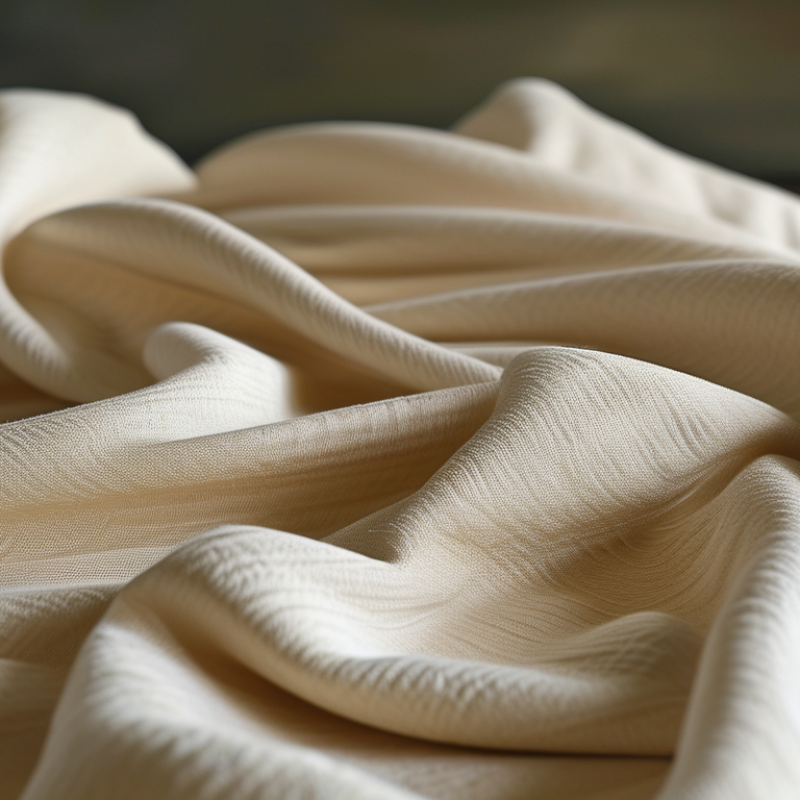
Sateen cotton is a luxurious fabric known for its smooth and soft texture. It is woven with a unique pattern that creates a subtle sheen on its surface. This distinctive finish gives sateen sheets a rich look, making them popular for upscale bedding. The fibers in sateen cotton are tightly packed together, which enhances their durability and resistance to wrinkles.
The softness of sateen cotton enhances your sleeping experience. It feels cool against the skin, which is perfect for warm nights. However, this softness sometimes comes with drawbacks. Sateen tends to trap heat more than other fabrics, which may not be suitable for everyone. Over time, the sheen may fade, demanding extra care during washing and drying. Understanding these characteristics is crucial for making an informed choice when selecting linens.
Sateen vs Percale Cotton: Key Differences
Percale Cotton: Definition and Characteristics
Percale cotton is a popular fabric known for its crisp feel and durability. Derived from 100% cotton, percale is characterized by a tight weave that typically features a thread count of 200 or more. This construction results in a smooth, matte finish that is breathable and ideal for warm climates. According to the Cotton Incorporated Lifestyle Monitor, 60% of consumers prefer percale sheets for their coolness and comfort during sleep.
The quality of percale can be evaluated based on its performance in real-world conditions. Studies indicate that percale cotton maintains its integrity, even after numerous washes, often lasting longer than sateen options. This durability means fewer replacements, which is an essential consideration for eco-conscious consumers. However, it’s worth noting that percale may feel less soft compared to sateen, which can lead to differing preferences based on personal comfort.
Percale cotton sheets often showcase a slight crispness that requires an adjustment period for some users. This characteristic might not appeal to everyone. A survey highlighted that 45% of individuals favor softer fabrics like sateen upon initial touch, but many appreciate the coolness of percale over time. Balancing these experiences is crucial for consumers choosing between these two popular fabrics.
Sateen vs Percale Cotton Best Differences Explained
| Characteristic |
Sateen Cotton |
Percale Cotton |
| Weave Type |
Sateen weave with a smooth finish |
Tight, crisp percale weave |
| Feel |
Soft, silky touch |
Cool, breathable feel |
| Durability |
Less durable, prone to snagging |
More durable, withstands washing |
| Best For |
Luxury bedding and warmer climates |
Cool sleep environments and everyday use |
| Appearance |
Sleek and shiny |
Matte and crisp |
| Maintenance |
May require special care |
Machine washable and easy to maintain |
Key Differences Between Sateen and Percale Cotton
Sateen and percale cotton are two popular bedding fabrics, favored for their unique textures and finishes. Sateen is known for its high thread count, generally ranging from 300 to 600, resulting in a soft, lustrous finish. Reports indicate that how fabric is woven can directly influence its feel. Sateen has a smooth, luxurious surface that appeals to many, but this softness can make it more prone to fraying and wear over time.
In contrast, percale cotton is woven in a tighter, grid-like pattern, typically with a thread count between 180 and 250. This gives percale a crisp, breathable feel. Studies have shown that this breathability makes percale ideal for warmer climates. The slightly rougher texture can lead to a longer lifespan, as it tends to resist wear better than sateen. Users may find percale crisper initially, yet it can soften over several washes.
While both options have merits, individual preferences play a significant role. Some may prefer the buttery feel of sateen, while others might appreciate the coolness of percale. Understanding the differences and characteristics of each fabric allows consumers to make informed choices according to their sleep needs. Identifying which qualities resonate more could enhance sleep quality significantly.
Advantages and Disadvantages of Sateen Cotton
Sateen cotton is known for its smooth, lustrous finish. Its glossy appearance comes from the way the fibers are woven. The material feels soft against the skin and often brings warmth. However, this silk-like texture can make it less breathable than percale cotton. Sateen may trap heat during hot nights, which is a concern for some sleepers.
One notable advantage of sateen is its durability. The tight weave enhances the fabric's resistance to wear and tear. However, it can be prone to piling, especially with excess friction. Additionally, maintenance requires care; it often demands gentle washing to maintain its shine.
When choosing sateen cotton, consider your environment. It can be ideal for cooler climates or winter months. However, if you prefer a cooler sleep, explore percale. Remember to check for thread count, as this influences comfort and breathability significantly. Avoid overloading your washing machine, as this can stretch the fabric.
Advantages and Disadvantages of Percale Cotton
Percale cotton is known for its crisp, breathable texture. It typically features a thread count of 200 to 400, offering a cool feel that many people appreciate. The tight weave prevents dust mites and allergens, making it a favorable choice for allergy sufferers. According to the American Home Furnishings Alliance, percale cotton sheets are often recommended for their durability and comfort. However, they may wrinkle easily and require more frequent ironing.
One disadvantage is that percale can feel less luxurious compared to sateen cotton. The matte finish lacks the silky softness that many seek. Users may find that percale does not drape as nicely on the bed, leading to a less plush appearance. Moreover, those who prefer a softer sheet might be disappointed, as the initial feel of percale is more crisp.
Yet, percale absorbs moisture well, making it an excellent option for warmer climates. Studies indicate that it can wick sweat away from the body, providing a cooler sleeping experience. However, it may not retain heat as well, leaving some feeling chilly during colder months. This balance between breathability and warmth can lead to a mixed experience for different individuals.
FAQS
: Sateen cotton is a soft fabric known for its smooth texture and subtle sheen. It feels luxurious.
Sateen cotton enhances sleep comfort. However, it can trap heat, which might not suit everyone.
Percale cotton has a crisp feel and durability. It is breathable and features a smooth, matte finish.
Percale's coolness and breathability make it ideal for warm climates. Some people prefer this comfort.
Percale maintains its quality over multiple washes. It often lasts longer than sateen, being more eco-friendly.
Yes, sateen is soft and luxurious, while percale is crisp, potentially requiring an adjustment for users.
Consider personal comfort preferences, climate, and how the fabrics will wear over time.
Yes, sateen may fade and fray, while percale might feel stiff initially. Each has trade-offs to reflect on.
Sateen typically ranges from 300 to 600 thread count, making it softer. Percale usually has 180 to 250, adding breathability.
Yes, percale can soften after several washes, while sateen may lose its sheen with improper care.
Conclusion
Sateen and percale cotton are two popular fabrics often used for bedding, each offering distinct characteristics. Sateen cotton is known for its luxurious, smooth finish and subtle sheen, resulting from a unique weaving method that presents warmer and softer textures. In contrast, percale cotton features a matte finish with a crisp feel, achieved through a straightforward one-over-one weave pattern, making it breathable and ideal for those who prefer a more traditional cotton feel.
What is the difference between sateen and percale cotton? The key differences lie in their weave, texture, and overall feel. Sateen provides a softer and more lustrous surface, while percale offers a cooler and crisper touch. Each fabric has its advantages and disadvantages; sateen tends to be warmer and more opulent but may be less durable, while percale is more breathable and resilient but may not provide the same level of softness. Understanding these differences can help consumers choose the ideal bedding fabric to suit their personal preferences.

 Fancy Home