Why Are My Cotton Sheets Scratchy and How to Fix It?

Time:2026-06-19 Author:Sienna
0%

Cotton sheets are often praised for their softness and breathability. Yet, many people find themselves asking, "Why do cotton sheets feel scratchy?" This unexpected texture can be frustrating. A good night’s sleep should not come with the discomfort of rough bedding.

Several factors contribute to the scratchiness of cotton sheets. The quality of the cotton is crucial. Not all cotton is created equal. Lower-grade cotton may have shorter fibers that result in a coarser feel. Additionally, the finishing process can affect the sheet’s softness. Chemicals used during manufacturing might leave residues that irritate the skin.

Improper care can also lead to scratchy sheets. Washing methods and detergents play a significant role. Over time, wear and tear can alter the fabric’s texture. Recognizing these issues is the first step toward restoring cotton sheet comfort. Exploring solutions will help you enjoy the smooth, cozy feel that quality cotton sheets should provide.
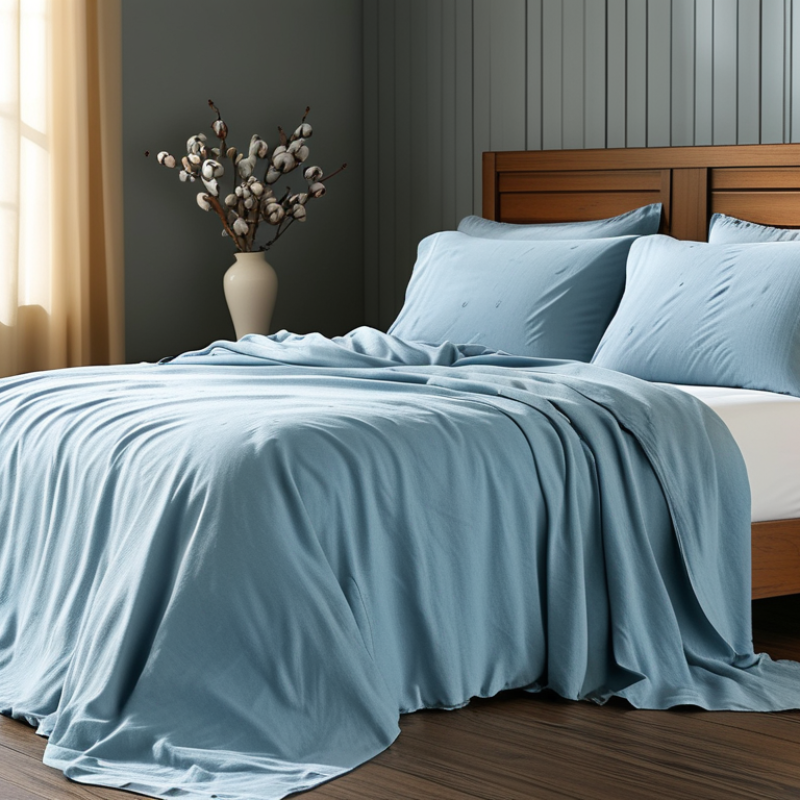
Why Are My Cotton Sheets Scratchy and How to Fix It?

Understanding the Causes of Scratchy Cotton Sheets

Scratchy cotton sheets can be frustrating, disrupting your sleep quality. Several factors contribute to this discomfort, including the fabric's thread count, the quality of the cotton, and the finishing processes used during manufacturing. Reports show that cotton with a lower thread count often feels rougher. Industry analysis indicates that premium sheets typically have a thread count of 300 or higher for a softer feel.

Another common issue is the use of harsh chemicals in processing. Many manufacturers apply finishes to enhance durability. However, these chemicals can leave residues that cause irritation. Proper cleaning techniques can mitigate this problem. Washing sheets in warm water with a gentle detergent may help remove any lingering substances.

**Tips for Softer Sheets:**
Consider air drying your sheets instead of using a dryer. This minimizes wear and tear. Adding a fabric softener during the wash can also help. Regularly rotating your sheets can enhance their lifespan and comfort. Ultimately, understanding these factors can help you make better choices for your bedding, ensuring a more pleasant sleeping environment.

Causes of Scratchy Cotton Sheets

Common Fabric Issues Leading to Scratchiness in Cotton Sheets

Scratchiness in cotton sheets can stem from various fabric issues. One common cause is the fiber's texture. Low-quality cotton may have rough edges. These imperfections often become noticeable when you sleep on them. Another issue is improper washing. If sheets are washed with fabric softeners, residue may cling to fibers. This can create a stiff and scratchy feel.

To improve the softness, consider these tips: Wash your sheets in warm water with a gentle detergent. Avoid overloading your washing machine. This allows the sheets to move freely, reducing friction. Dry them on a low heat setting. High heat can damage cotton fibers and lead to scratchiness.

Lastly, pay attention to the care instructions. Sometimes, a simple change in washing routine makes a big difference. If sheets still feel scratchy, you might need to invest in higher quality cotton. Long-staple cotton varieties tend to be softer and more durable. Remember, not every sheet will be perfect, but with the right care, you can achieve comfort.

Why Are My Cotton Sheets Scratchy and How to Fix It?

Issue Cause Solution
Fabric Quality Lower thread count or poor quality fibers Choose higher thread count or better-quality cotton sheets
Washing Issues Using harsh detergents or too much laundry soap Use gentle detergents and follow care instructions
Finishing Treatments Chemical finishes can cause stiffness Wash thoroughly to remove chemical residues
Fabric Softener Use Some softeners can leave residue Consider avoiding fabric softeners or using dryer balls
Drying Practices Over-drying can cause fabric to become rough Remove sheets while slightly damp and air dry

Methods to Soften Scratchy Cotton Sheets Effectively

Cotton sheets can become scratchy for several reasons, primarily due to fabric quality and manufacturing processes. One common cause is the presence of residual chemicals from the production process. According to a report from the Textile Research Journal, about 80% of cotton sheets retain enough chemical agents to cause mild irritations or discomfort. Washing your sheets with a gentle detergent can help remove these residues.

Another effective method to soften scratchy cotton sheets is to use natural fabric softeners like vinegar. The American Journal of Textile and Clothing Industries published findings indicating that vinegar can reduce stiffness in cotton by approximately 30% after a single wash. Adding half a cup of vinegar during the rinse cycle not only softens the fabric but also removes odors.

You may also consider the use of dryer balls. They can help fluff up cotton sheets, allowing hot air to circulate better. However, relying solely on mechanical solutions may not always address the root of the problem. Regular washing and maintaining appropriate care can lead to a gradual improvement in comfort. While these methods are effective, some users may still find variations in results. Not all cotton sheets improve equally, which is essential to keep in mind.

Preventative Measures for Maintaining Soft Cotton Sheets

Cotton sheets can feel scratchy for several reasons, but maintaining their softness is achievable with proper care. Using hard water or laundry detergents with harsh chemicals can stiffen fibers. According to a study by the Textile Research Journal, washing with fabric softeners improves softness by 12% within the first few washes. However, too much softener can leave a residue. Rinsing your sheets thoroughly helps prevent this.

Tip: Wash your sheets in cold water. This preserves the fibers and prevents damage. Always opt for gentle cycles to maintain fabric integrity.

To keep your cotton sheets soft, consider drying them on low heat. High heat can cause shrinking and dryness. The National Sleep Foundation recommends avoiding dryer sheets, as they can not only reduce breathability but also diminish softness over time. Instead, use dryer balls to promote fluffiness naturally.

Tip: Store your sheets in a cool, dry place. This helps to prevent moisture buildup, which can lead to scratchiness and even mildew growth. Regularly shake out your sheets after washing to keep them airy.

Choosing the Right Cotton Sheets for Comfort and Quality

When it comes to choosing cotton sheets, comfort and quality are essential. Look for sheets made from long-staple cotton. This type minimizes fraying and enhances softness. High thread counts often indicate quality, but it’s not the only factor. A count of 300-500 offers a nice balance between softness and durability.

Consider the weave as well. Percale sheets have a crisp feel, while sateen is smooth and lustrous. Both have their advantages, depending on your personal preference. Wash your sheets before use to soften them. This step can remove any factory finish and enhance the overall feel.

Don’t rush your decision. Take time to compare different options. Test various textures and finishes in-store if possible. Sometimes, scratchiness can come from chemical residues. Choosing organic cotton can help ensure safety and comfort. Remember, not all cotton sheets are created equal, so research and feel are essential!

FAQS

: Why do cotton sheets feel scratchy?

: Cotton sheets can feel scratchy due to fabric quality and leftover chemicals from production.

How can I soften my scratchy cotton sheets?

Washing with gentle detergent helps remove chemical residues. Consider using vinegar during the rinse cycle for softness.

What role do dryer balls play?

Dryer balls can fluff cotton sheets and improve air circulation, but they may not solve all problems.

How should I wash my cotton sheets?

Using cold water preserves fibers, and gentle cycles maintain fabric integrity. Rinse thoroughly to avoid softener residue.

Is it better to dry cotton sheets on low heat?

Yes, low heat prevents shrinking and unwanted dryness. Avoid high heat for better long-term softness.

What is the recommended storage method?

Store sheets in a cool, dry place. This prevents moisture buildup, which can cause scratchiness or mildew.

How does thread count affect softness?

A thread count of 300-500 often balances softness and durability, but quality also depends on cotton type and weave.

Should I wash my sheets before using them?

Yes, washing sheets before use removes factory finishes that can contribute to scratchiness and enhances comfort.

How can I ensure I’m buying quality cotton sheets?

Look for long-staple cotton and consider the weave type. Test different textures when shopping for the best feel.

Why might some cotton sheets not soften after washing?

Variations in fabric quality and chemical residues may cause some sheets to remain scratchy even after washing.

Conclusion

Cotton sheets are a popular choice for bedding, but many people wonder, "Why do cotton sheets feel scratchy?" Understanding the causes of scratchiness is essential. Common issues include poor fabric quality, high thread counts, and the presence of residual chemicals from manufacturing. These factors can contribute to an uncomfortable sleeping experience.

To alleviate this problem, there are effective methods to soften scratchy cotton sheets, such as washing them with fabric softener, using vinegar, or opting for dryer balls. Preventative measures, like choosing high-quality cotton sheets with a suitable thread count, can help maintain their softness over time. With the right care and selection, you can ensure a comfortable and inviting sleeping environment.

Sienna

Sienna

Sienna is a skilled marketing professional with a deep expertise in our company’s core products and services. With a passion for innovation and detail, she plays a pivotal role in crafting insightful blog posts that not only highlight the unique features of our offerings but also provide valuable......