For global buyers, cotton is not merely a raw material. It affects yarn strength, fabric comfort, production efficiency, and product reputation. What does "long-staple cotton" actually mean? In practical terms, it refers to cotton fibers that are longer than standard upland varieties. Definitions can vary between regions and trade standards. Buyers should confirm the measured staple length, rather than trust the label alone.
Longer fibers usually create smoother, stronger yarns with fewer exposed ends. A spinning mill may notice less breakage during production. A garment factory may see cleaner surfaces and improved durability after repeated washing. These benefits matter when producing premium shirts, bedding, denim, or fine knitwear. However, fiber length is only one part of quality. Micronaire, strength, uniformity, color, moisture, and contamination also influence commercial value. A long fiber cannot repair poor harvesting or careless storage.
Experienced sourcing teams normally review classing data, laboratory results, bale records, and supplier history. They may compare samples under controlled spinning conditions. That step reveals problems hidden by attractive photographs or confident sales language. Traceability also matters. Buyers need to understand the growing region, crop year, ginning process, and testing method. Details matter here.
The term can sound more precise than it really is. Even professional buyers may overlook variation between lots. A reflective purchasing decision leaves room for uncertainty. It asks whether the cotton performs consistently, not whether it simply carries a premium name. For global procurement, reliable evidence turns long-staple cotton from a marketing phrase into a measurable business choice.
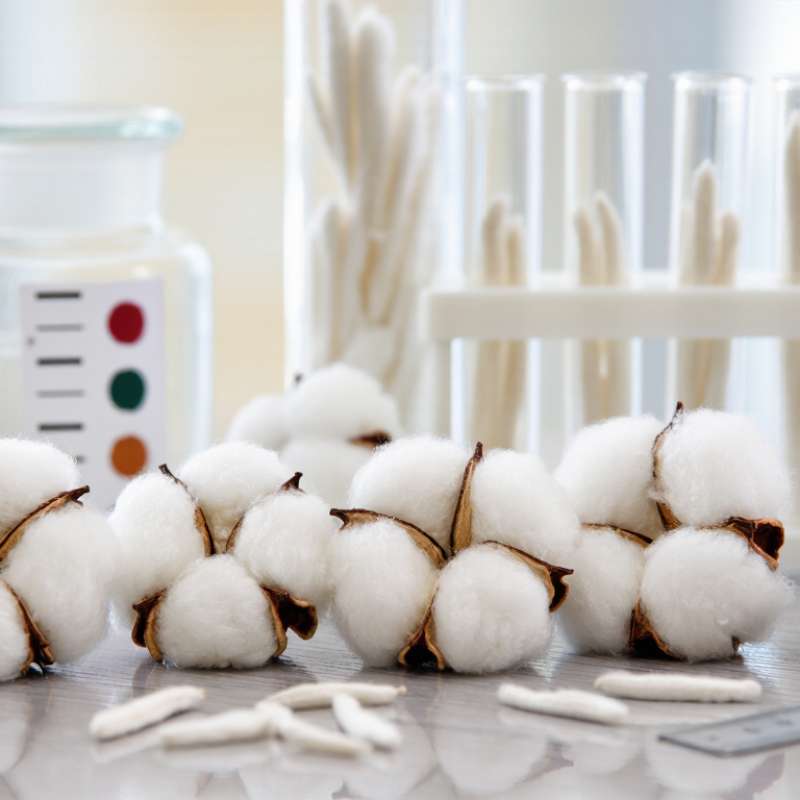
Why Does Long Staple Cotton Matter for Global Buyers?
Long-staple cotton refers to fibers that are generally longer than standard upland cotton. Most long-staple grades measure about 28.6 to 34.9 millimeters. Extra-long staple cotton usually exceeds 34.9 millimeters. The longer fiber creates smoother yarn with fewer exposed ends. It also supports finer counts, stronger fabrics, and a softer hand feel.
Common varieties include Egyptian, Pima, Sea Island, and other Gossypium barbadense types. Their quality depends on more than fiber length. Buyers should examine strength, micronaire, uniformity, color, and trash content. High uniformity helps reduce weak places during spinning. Lower or balanced micronaire can improve dye absorption. However, a longer fiber is not automatically better. Climate, harvesting, storage, and ginning can change performance. No lot is perfect. That detail is easy to overlook.
Tips: Request certified test data before approval. Compare fiber length with strength and uniformity. Ask for crop-year information and representative samples. A small spinning trial can reveal problems that laboratory figures miss. Check for excessive short fibers, uneven color, or contamination. These practical checks protect purchasing decisions and product consistency. In my view, buyers should treat origin claims carefully. Testing remains more reliable than attractive descriptions.
Staple length is a key quality indicator because longer fibers generally produce stronger, smoother, and more uniform yarn. The chart shows representative staple-length ranges for major cotton categories.
Key takeaway: Upland cotton is commonly used for general-purpose textiles, while long-staple and extra-long-staple cotton are preferred for premium yarns, fine fabrics, and products requiring greater strength and softness. In commercial classification, long-staple cotton is generally above 28.6 mm, while extra-long-staple cotton is generally above 34.9 mm.
Long-staple cotton begins with the field, not the spinning mill. Its fibers grow longer because genetics, heat, water control, and harvesting conditions work together. The International Cotton Advisory Committee notes that fiber length and strength vary significantly by variety and production environment. Dry regions can support quality, but irrigation timing remains critical.
Farmers monitor flowering, boll opening, and field moisture. Harvesting usually starts when most bolls open naturally. Mechanical pickers remove cotton quickly, while careful handling reduces leaf content and fiber damage. Poor timing can expose open bolls to rain, staining the fiber. Ginning then separates lint from seeds. Modern gins use drying, cleaning, and controlled airflow, but excessive cleaning may weaken valuable fibers.
The USDA Agricultural Marketing Service measures staple length in thirty-seconds of an inch. Long staple commonly exceeds 1 1/8 inches, although commercial definitions can differ. USDA Cotton: World Markets and Trade estimated global cotton production at about 117 million 480-pound bales in 2024/25. Only part of that volume meets long-staple specifications, making traceability important for global buyers.
Tips: Request classing data, not only a supplier’s description. Check staple length, strength, micronaire, and uniformity together. A longer fiber is not automatically better. Moisture readings can mislead when samples are uneven. Review harvest dates, ginning records, and lot-level test results before contracting. Even a strong checklist can miss field variation.
| Category | Data Dimension | Typical Value or Description | Relevance for Global Buyers |
|---|---|---|---|
| Fiber Classification | Long-staple fiber length | Generally about 28.6–34.9 mm (1 1/8–1 3/8 inches), depending on the classification system and cotton type. | Longer fibers can produce smoother, stronger yarns with fewer protruding fiber ends. |
| Fiber Classification | Extra-long-staple benchmark | Often defined as 34.9 mm (1 3/8 inches) or longer. | Suitable for very fine yarns and premium fabrics when other quality attributes are also strong. |
| Growing Conditions | Crop duration | Commonly around 150–180 days from planting to harvest, varying by variety, latitude, and weather. | Longer crop cycles can affect sourcing calendars, inventory planning, and delivery schedules. |
| Growing Conditions | Temperature requirement | Cotton is a warm-season crop; germination and early growth are favored by soil temperatures near or above 15°C. | Cool conditions during establishment can delay maturity and reduce yield potential. |
| Water Management | Water requirement | Total seasonal water use varies widely, commonly about 700–1,300 mm including rainfall and irrigation. | Water availability and irrigation efficiency influence fiber development, yield consistency, and sustainability assessments. |
| Plant Development | Boll development | Fiber length is mainly determined during the early fiber-growth stage after flowering; fiber thickening follows later. | Heat, drought, nutrient stress, or insect damage during this period can reduce length and strength. |
| Harvesting | Harvest readiness | Bolls are harvested after opening and drying; timing aims to balance maturity with protection from rain and field contamination. | Delayed or poorly timed harvesting can increase staining, weather damage, and quality variability. |
| Harvesting | Common harvesting methods | Mechanical spindle picking, stripper harvesting, or hand picking, depending on farm structure and production region. | Harvest method affects leaf content, trash level, fiber cleanliness, and processing requirements. |
| Ginning | Purpose of ginning | Separates lint fibers from cottonseed and removes a portion of foreign matter before bale formation. | Gentle, well-controlled ginning helps protect fiber length and minimize short-fiber generation. |
| Ginning | Lint turnout | Lint commonly represents approximately 35–45% of seed cotton weight; the remainder is mainly seed and processing waste. | Turnout helps buyers and mills estimate bale availability and raw-material yield. |
| Fiber Quality | Fiber strength | Often reported in grams per tex; higher values generally indicate stronger fibers, although acceptable levels depend on the end use. | Strength supports finer yarns, lower breakage during spinning, and improved fabric durability. |
| Fiber Quality | Micronaire | A combined indicator of fiber fineness and maturity; a commonly preferred commercial range is approximately 3.5–4.9, depending on the market. | Extremely low or high values can affect dye absorption, yarn evenness, and spinning performance. |
| Fiber Quality | Uniformity and short-fiber content | Uniformity is commonly expressed as a percentage; higher uniformity and lower short-fiber content are generally preferred. | More uniform fibers improve drafting control, yarn evenness, and fabric appearance. |
| Processing | Spinning suitability | Long-staple cotton is well suited to combed, compact, and fine-count yarn production when length, strength, and fineness are balanced. | It can support lightweight shirts, high-quality bed linens, sewing threads, and other smooth textile products. |
| Buyer Evaluation | Key purchase specifications | Staple length, strength, micronaire, uniformity, color, trash content, moisture, and contamination risk. | A balanced quality profile is more useful than evaluating staple length alone. |
| Traceability | Quality verification | Instrument testing, bale classing, moisture checks, contamination controls, and lot-level documentation are commonly used. | Consistent testing supports contract compliance, blending decisions, and predictable mill performance. |
Fiber length directly affects how cotton behaves during spinning. Longer fibers overlap more effectively, creating smoother and stronger yarn. This can reduce hairiness, breakage, and uneven surfaces during production. The result is often a cleaner fabric with better tensile strength and a softer hand feel. Short fibers may still perform well, but they usually require tighter process control and may create more lint. Small differences matter.
In sourcing practice, fiber length should be evaluated beside contamination, moisture, and ginning quality. A longer fiber is not automatically better if it is weak or poorly matured. Buyers should also check spinning trials under their expected machine settings. This reveals practical performance, not just a favorable report. I have seen specifications look impressive while fabric results felt ordinary. That is a useful warning. Reliable purchasing depends on traceable bale information, consistent testing, and clear tolerance limits. Consistency often matters more than a single excellent shipment.
Quality, Sourcing, and Cost Factors for Global Buyers
Long staple cotton has longer, stronger fibers than standard cotton. This structure supports smoother yarn and fewer weak points. In fabric production, the difference can appear as cleaner surfaces, better softness, and improved resistance to pilling. These benefits matter for buyers managing premium shirts, bedding, and lightweight knitwear.
Quality begins with more than fiber length.
Buyers should review staple length, strength, micronaire, uniformity, moisture, and contamination levels. A practical inspection may include bale sampling, laboratory testing, and checks for excessive leaf matter. Small problems become expensive when thousands of kilograms enter spinning. I have seen specifications look excellent on paper, while inconsistent moisture changed processing results.
Sourcing requires traceability and realistic planning.
Ask about harvest conditions, ginning controls, storage, and shipment timing. Reliable suppliers should provide consistent test data and explain unusual variations. A longer fiber is not automatically better. Poor handling can damage even excellent cotton. That point is easy to overlook.
Cost should be measured across the whole production cycle.
Long staple cotton often costs more per kilogram, but it may reduce yarn waste, machine stops, and fabric defects. Higher yield can offset part of the purchase premium. Still, the calculation depends on spinning equipment, order volume, labor, and quality targets. Buyers should compare total conversion cost, not only the quoted bale price. Sometimes, a carefully selected blended input performs better than an expensive pure option. That deserves a trial, not an assumption.
Long staple cotton matters because fiber length affects strength, softness, and yarn performance. For global buyers, those qualities influence product durability and replacement rates. A stronger fabric may remain useful after repeated washing. That matters.
Environmental performance depends on more than fiber quality. Buyers should examine irrigation records, soil management, pest-control practices, and energy use during ginning. Longer fibers can reduce breakage during spinning, potentially lowering waste. However, this benefit is not automatic. Poor processing can still create waste, consume excess energy, or damage fiber quality.
Supply chain visibility is equally important. Reliable suppliers should provide harvest origins, classing results, bale identification, and shipment documentation. Buyers can compare moisture levels, staple length, strength, and contamination risks before signing contracts. A warehouse inspection may reveal mixed lots, damaged packaging, or unclear labeling. Small details become expensive across oceans.
International trade also faces weather disruptions, port delays, currency changes, and uneven harvest volumes. A practical sourcing plan may include approved alternatives and realistic delivery buffers. Yet excessive stockpiling can increase storage emissions and financial pressure. This is where judgment matters. No cotton program is perfectly sustainable, and buyers should question attractive claims without measurable evidence. Supplier audits, independent testing, and regular progress reviews create stronger decisions than promises alone.
Its longer, stronger fibers support smoother yarn and fewer weak points. Fabrics may feel softer and resist pilling better. That matters for shirts, bedding, and lightweight knitwear.
Check staple length, strength, micronaire, uniformity, moisture, and contamination. Inspect bale samples and request laboratory results. Paper specifications can look perfect. Real lots may still vary.
No. Poor harvesting, ginning, or storage can damage excellent fiber. Review leaf matter, moisture, packaging, and handling records. Length alone is an incomplete judgment.
Request harvest origins, classing results, bale identification, and shipment documents. Compare test data across lots. A warehouse check may reveal mixed bales or unclear labels.
It may reduce yarn waste, machine stops, and fabric defects. Higher yield can offset its higher purchase price. The result depends on equipment, labor, volume, and quality targets.
Not necessarily. A carefully selected blend may perform better for a specific order. Run a controlled trial before making a large commitment. Assumptions can be expensive.
Review irrigation, soil management, pest-control methods, and energy use during ginning. Longer fibers may reduce spinning waste. This benefit is not automatic.
Allow buffers for weather, port delays, currency changes, and uneven harvests. Keep approved alternatives, but avoid excessive stockpiling. Extra inventory consumes space and money. Planning is imperfect.
Long-staple cotton refers to cotton varieties that produce unusually long, strong, and fine fibers. What does "long-staple cotton" actually mean? In practical terms, it means the individual fibers are longer than those of standard cotton, allowing them to be spun into smoother, stronger, and more consistent yarns. This cotton is cultivated in suitable climates, carefully harvested, and processed to protect fiber length and cleanliness. Growing conditions, harvesting methods, ginning, and sorting all influence the final quality.
For global buyers, fiber length directly affects yarn strength, fabric softness, durability, appearance, and resistance to pilling. However, longer fibers often require more selective sourcing and may involve higher production and processing costs. Buyers should evaluate staple length alongside strength, fineness, uniformity, cleanliness, traceability, and delivery reliability. Environmental conditions, water use, farming practices, transportation, and supply chain stability are also important considerations. Understanding these factors helps international purchasers balance performance, cost, sustainability goals, and consistent supply when selecting long-staple cotton for different textile applications.

Fancy Home